

Long on Short's Brewing

The past few years in craft beer have been defined by tightening constraints. Breweries are being pushed to rationalize portfolios, reduce innovation, and protect a shrinking core - all while consumers continue to show up for lagers, flavored extensions, low ABV beers, hop water, variety packs, and brands that still feel meaningfully local. The demand is still there, it’s just the margin for error that’s slipping away.
Very few breweries are structurally positioned to go deep across all of those topics without losing focus, but Short’s Brewing Company is one of the rare exceptions. Built in Northern Michigan with no urban safety net, Short’s has spent two decades building regional relevance and brand affinity that allows the breadth of their portfolio to be their competitive advantage, rather than a constant distraction.
When a 3% lager showed up on their social feed late last year, my ears perked up. It didn’t feel like they were chasing a new trend so much as a natural continuation of their long-running playbook. That was my cue to finally reach out for a Q&A.
When people talk about “Michigan craft beer,” they typically mean a geographic area that’s mostly in the west and west-central part of the state. As such a longstanding player in that region, what do you think were the key ingredients that helped bring about the dynamic? How is the balance between collegiality and competitiveness? And what has changed or surprised you the most about the scene?
I opened the Pub in Bellaire because I love Northern Michigan and I wanted to bring people together and build up my community, just like the pubs of yore.
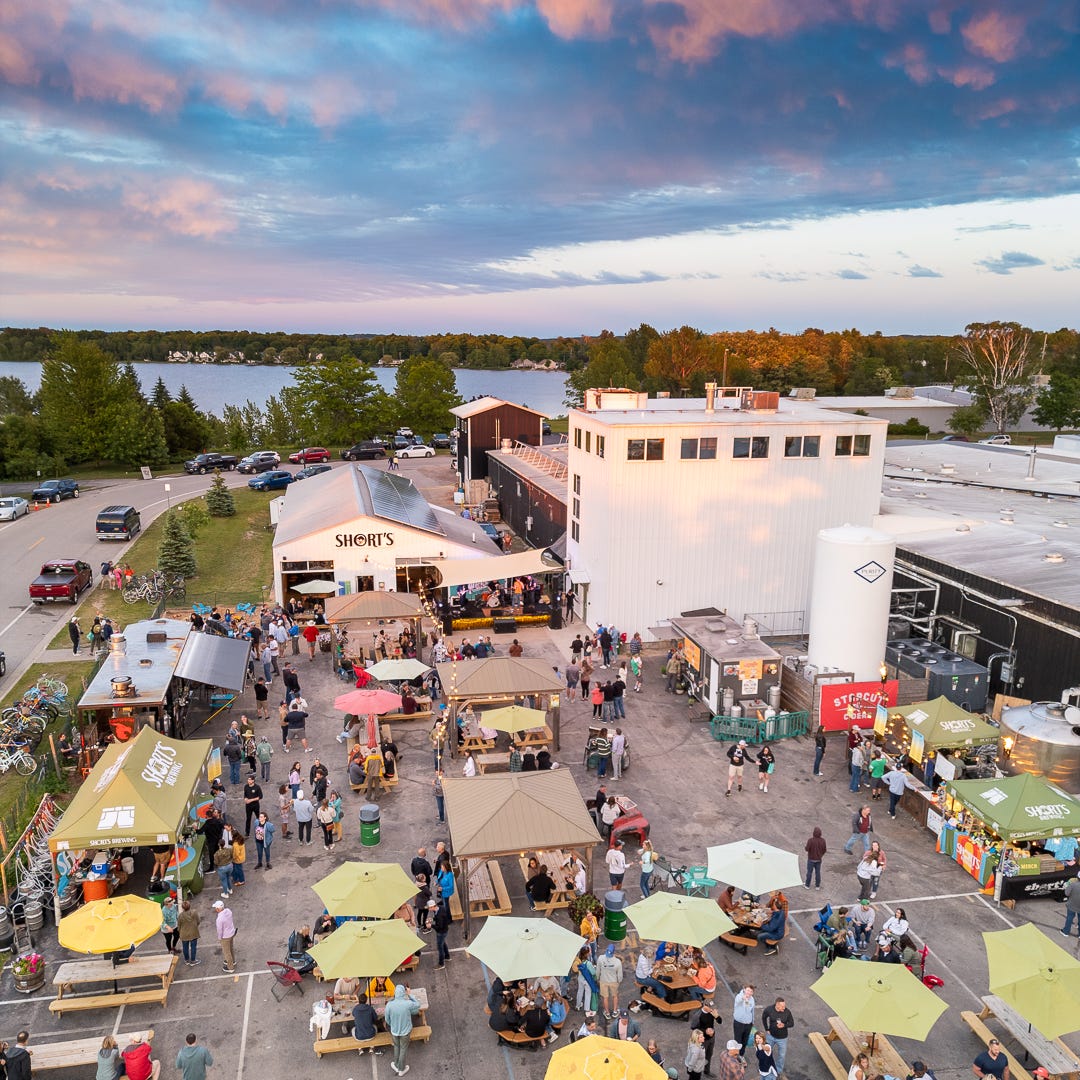
Unlike Michigan’s larger breweries, we don’t have the benefit of an urban location and large population, so we are a lot more seasonal than most. But our destination locations and Michigan’s seasonality are one of the key ingredients for our success, along with quality products and great customer experiences. That’s the trifecta for us. We get asked all the time if we’ll open another location in larger markets, it just wouldn’t be the same, it would lose the magic. We’re a Northern Michigan brand—the lakes and forests, snow and sunshine is part of our story.
There is some competitiveness but overall the Michigan craft beer community is really supportive and full of camaraderie. We have one of the strongest brewers guilds in the country. We want other breweries to succeed, it’s good for our industry.
Joe Short, Founder
Back in 2017, Heineken-owned Lagunitas took a 19.99% stake in Short’s Brewing that I believe most outside of Michigan either don’t realize, or have long-since forgotten about. I’m guessing that things are different in your home and backyard markets, but can you share if and how the perception of the brewery has changed as a result of that partnership? What doors has it opened for you then and now? And with so much having changed in the market since that deal was made, how do the original goals of the partnership compare to how both sides are treating it today?
At the time, folks were pissed (because of our Michigan pride?) but then they realized we were still making the same products and operating the same way with the same people.
We were hoping the partnership would build distribution for our cider line and help with our purchasing power, but because of COVID that didn’t really come to fruition. At this point, we’re pretty much operating independently with little to no involvement from Heineken and Lagunitas.
Joe Short, Founder
Can you give a general overview of how 2025 went for Short’s, noting the challenging year that craft beer faced overall as a category? What went well for Short’s? (without giving away the upcoming questions) What was more challenging than expected?
We’re definitely feeling the industry’s downward trend like everyone else, but we’ve been planning for it (as best as anyone could) so we are weathering it better than most. Because of our planning, our losses weren’t as significant as a lot of other breweries. We’ve always been scrappy and make the most with what we have.
Scott Newman-Bale, CEO
The pandemic allowed (forced) breweries to build brands in the off-premise. It seemed to surprise quite a few folks that places like convenience stores could be destinations for consumer discovery. Do you see that as a one-time phenomenon, or are you still launching or building off-premise? And how would you assess the state of the on-premise in some of your key markets?
Going to your local bottle shop or c-store has always been the best place to discover new brands. You get our full packaged experience and quality.
In on-prem bars and restaurants are cutting their number of draft lines and are looking for variety. Our portfolio is pretty big and our year-round brands are wide ranging, style-wise so we are holding our own in that channel also.
Scott Newman-Bale, CEO
Heading into 2025, one of my trend predictions was “regional IPAs” in the sense that breweries would build the recipe using ingredients, and perhaps a name and backstory, that originates in their local market or region. Each time I would bring this up, I’d immediately be told that Short’s has been doing this for awhile. Can you share your experience with these beers from how the concept started, how it’s evolved, and what it looks like in your line up today? Do you see yourself creating/selling more in the future based on the most recent performance? Less?
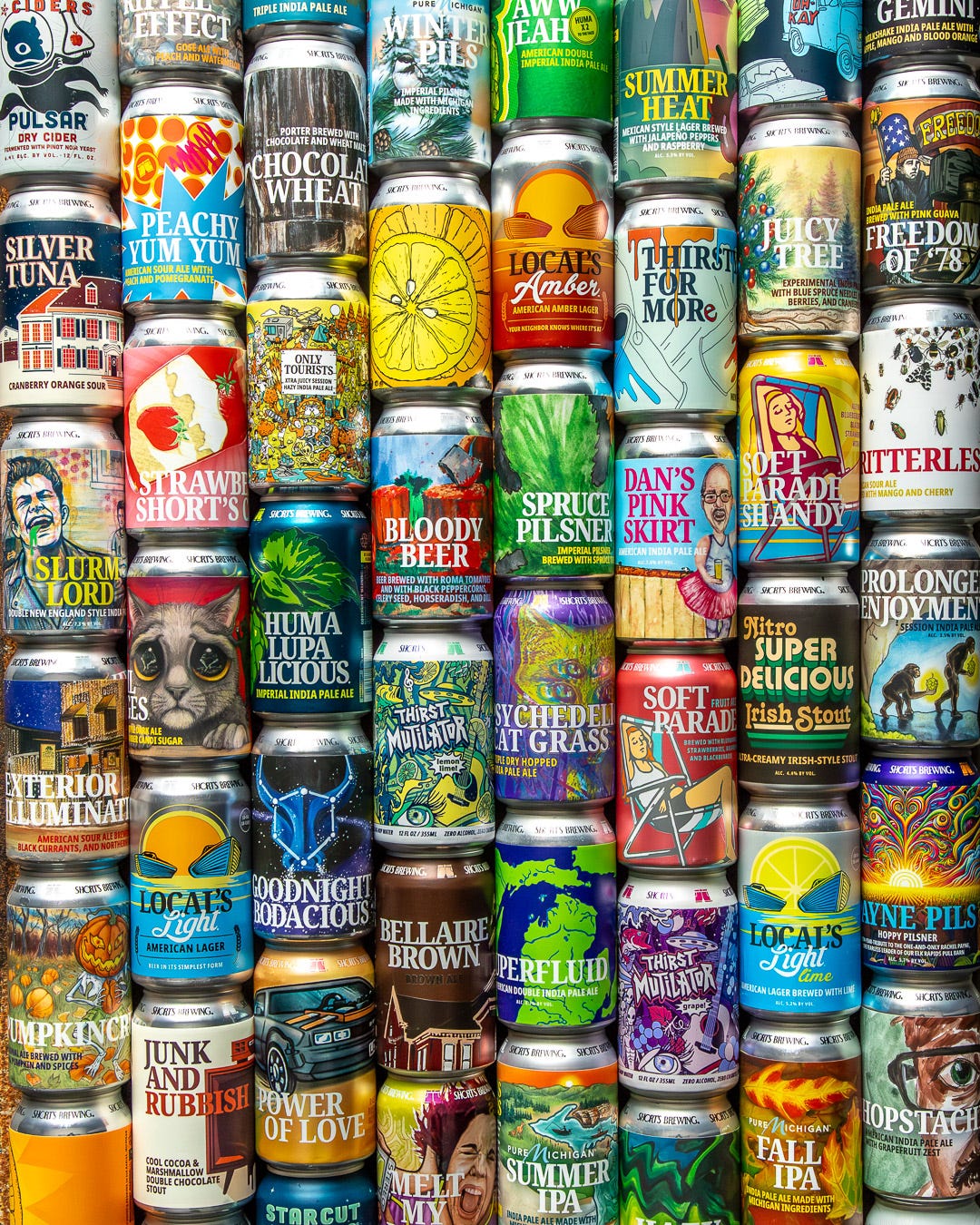
Michigan is an incredible agricultural region (fun fact: Michigan is the second largest producer of ag products in the country behind California, and our season is like three months) so we’ve always used local ingredients when we can because we know the farms and the farmers.
When hop and malt farms started popping up across the state Michigan Tourism approached us to make a beer highlighting those crops. It was a one-off project but went so well (in- and and out-of-state) that it evolved to highlight agriculture and state-wide tourism.
This year our Pure Michigan line up is Hazy IPA, Summer IPA, Cherry Kölsch, Fall IPA, and another R&D batch we’re working on—all made with Michigan ingredients. We’re also releasing the first Pure Michigan Hard Cider made with 100% Michigan apples (under our cider brand, Starcut).
Sourcing locally gets harder and harder as we continue to lose farms but we hope to keep this product line in rotation.
Joe Short, Founder


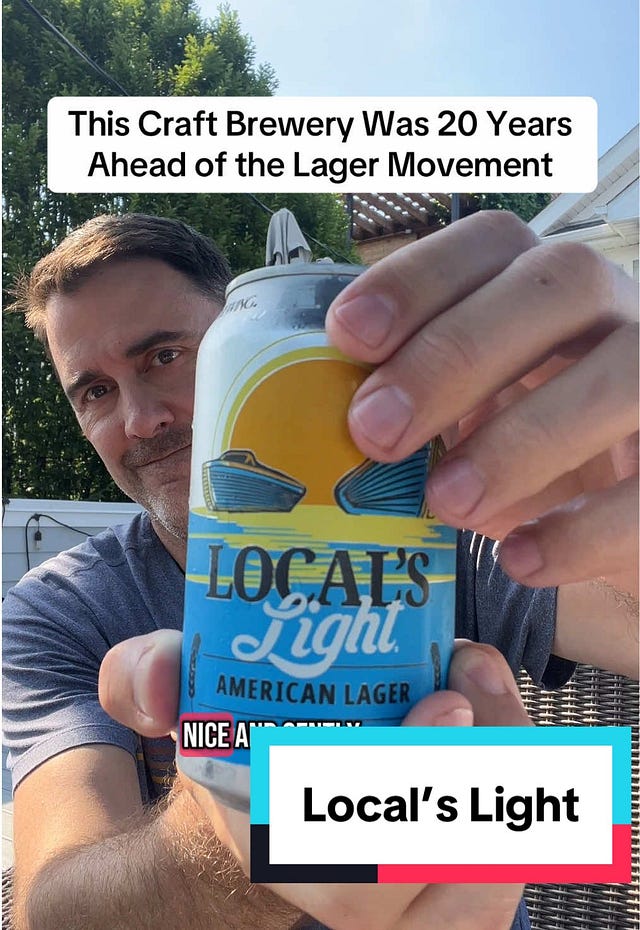
I give Short’s a ton of credit for being way ahead (20 years?) of not only having an American Lager in your core line, but making it a Light Lager. How has the recent growth in popularity of American-style lagers coming from craft breweries impacted Local’s Light and your strategies? Is it harder with more breweries entering the space? Easier with more craft consumers looking for light lagers?
We were very fortunate to realize the power of this brand 10 years ago. It has always been the #1 selling product at our Pub in Bellaire, so it makes sense that it would also be our #1 brand in distribution. Covid and the influx of other brands created challenges for us on a regional scale as those draft lines and shelf space are getting divided up more, but in our backyard of Michigan, Local’s continues to kick ass and is benefiting from the Lager limelight.
Kerry Lynch, Sales Director
 Tiktok failed to load.
Enable 3rd party cookies or use another browser
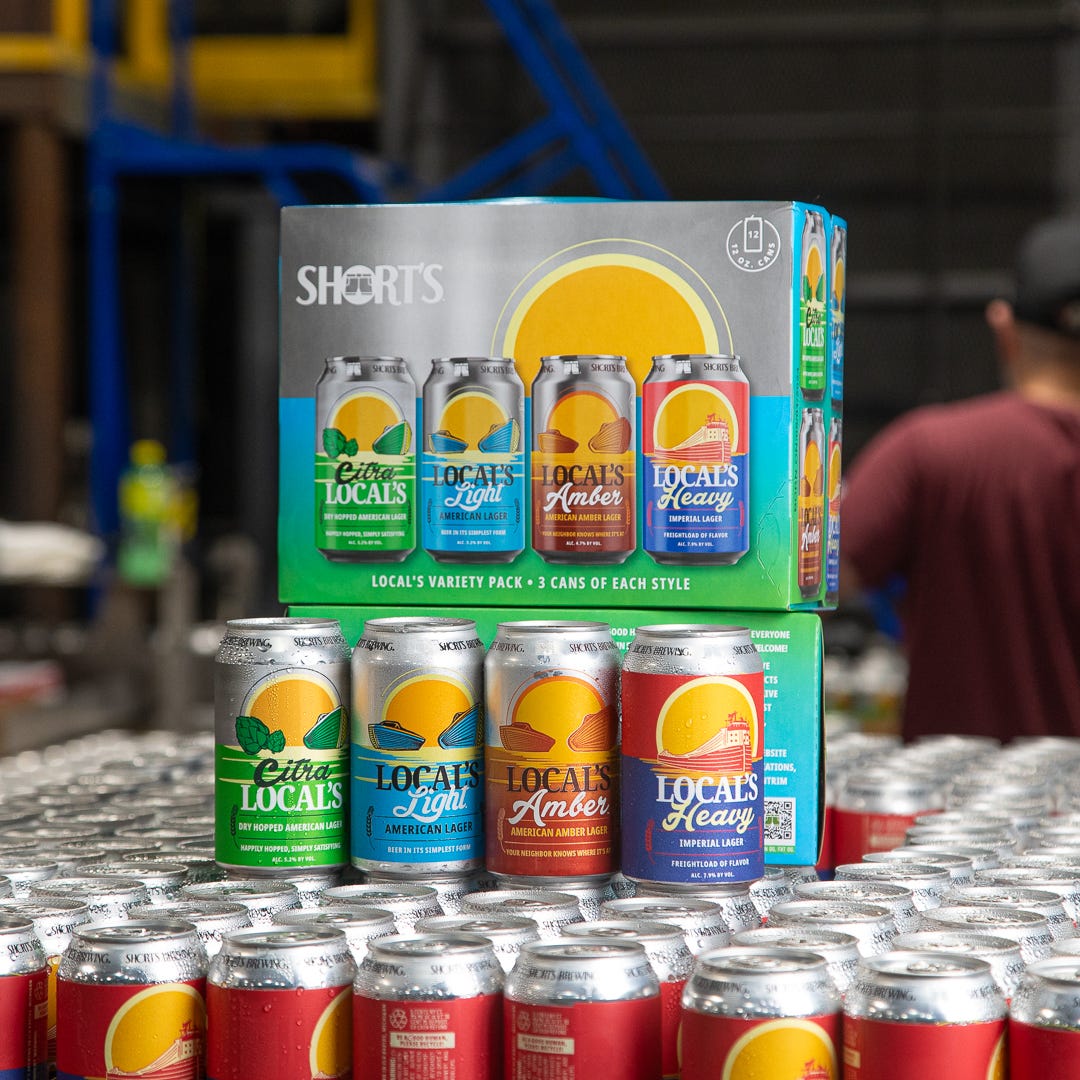
I don’t normally recommend that breweries make a ton of variations of their American-style lager brand, emulating what a lot of the big macro brands do, because they don’t have the built up brand equity that a Bud/Miller/Coors/Busch/Modelo etc. have to be extending. However with Local’s Light, you do have that longevity in Michigan with the brand being around so long. How do you think about all these variations ranging from Amber to Citra strategically, while balancing the importance of the main brand?
Local’s Light is almost its own stand alone brand. The variants have been a great way to introduce new folks to the beer and keep the category exciting. Plus, craft drinkers love innovation. Maybe they wouldn’t normally grab Local’s, but the Honey Crisp, Lime, or Citra Local’s sound interesting so they pick it up. (Local’s Pineapple comes out Friday, Jan 30th).
We do a ton of R&D Up North and vet these products extensively to protect the Local’s brand.
Scott Newman-Bale, CEO
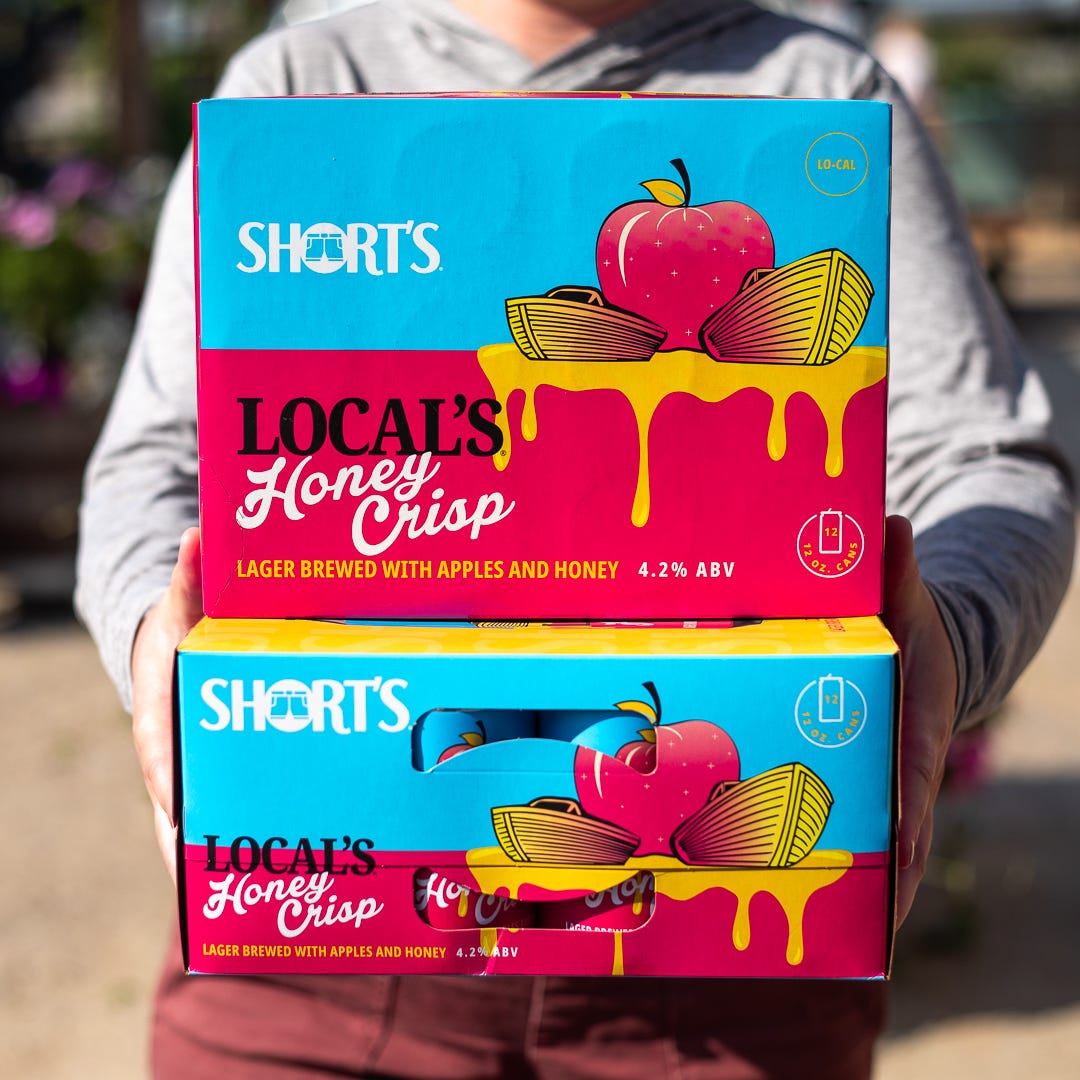
Busch Light Apple was quite the phenomenon this Spring. Did you start 2025 knowing that you were going to release Local’s Honey Crisp later in the year? Or was this in response to how much even bigger than expected fever there was over apple-flavored lager? What was the discourse like behind the decision to release Honey Crisp and how did the response compare to your expectations?
We had a batch of Local’s Honey Crisp ready to go before our anniversary party last April. We almost didn’t package it (because of Busch). But it tasted great and the honey makes it unique so we decided to release it.
It sold out even faster than predicted, we definitely could’ve made more. We will this year!
Joe Short, CEO
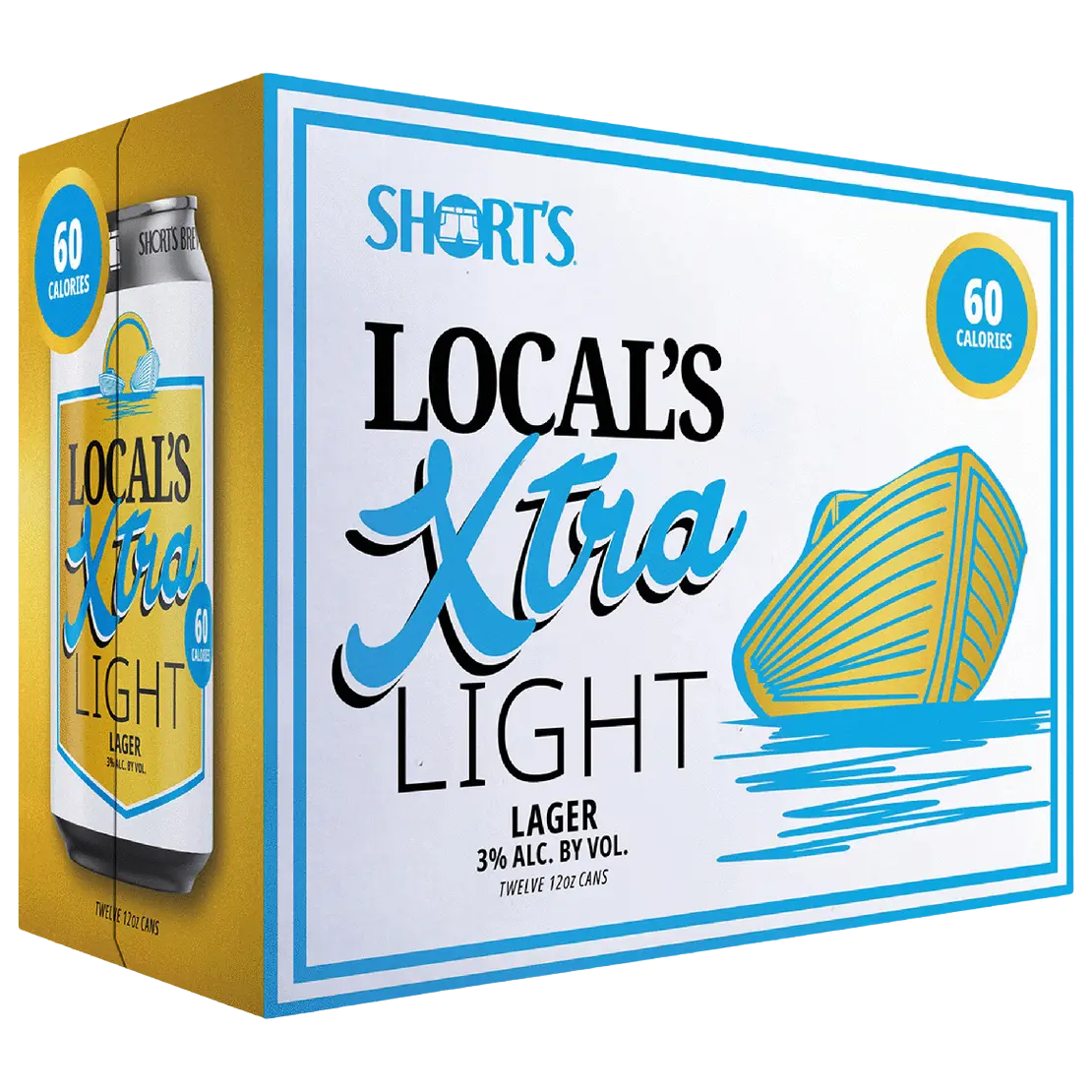
Local’s Xtra Light was another unexpected and pleasant surprise as I spent a lot of time in 2025 talking about the idea of mid-strength beer gaining popularity in the US. Is Xtra Light a separate brew from Local’s Light, or is it made from the same base then altered to bring the ABV down? When did this variation of Local’s begin to get serious discussion? How are you looking at this opportunity, ranging from a small one-off test to see how consumers respond, the other extreme going all-in by putting a lot of effort and prioritization behind it, or somewhere in between?
We’ve been brewing low-abv “near beers” for a decade or more, and our Product Development team started talking about releasing Xtra Light (it’s the same recipe as Local’s Light) last January as an experiment to see if there was interest in low-abv beers. Xtra Light is a limited release.
Joe Short, Founder
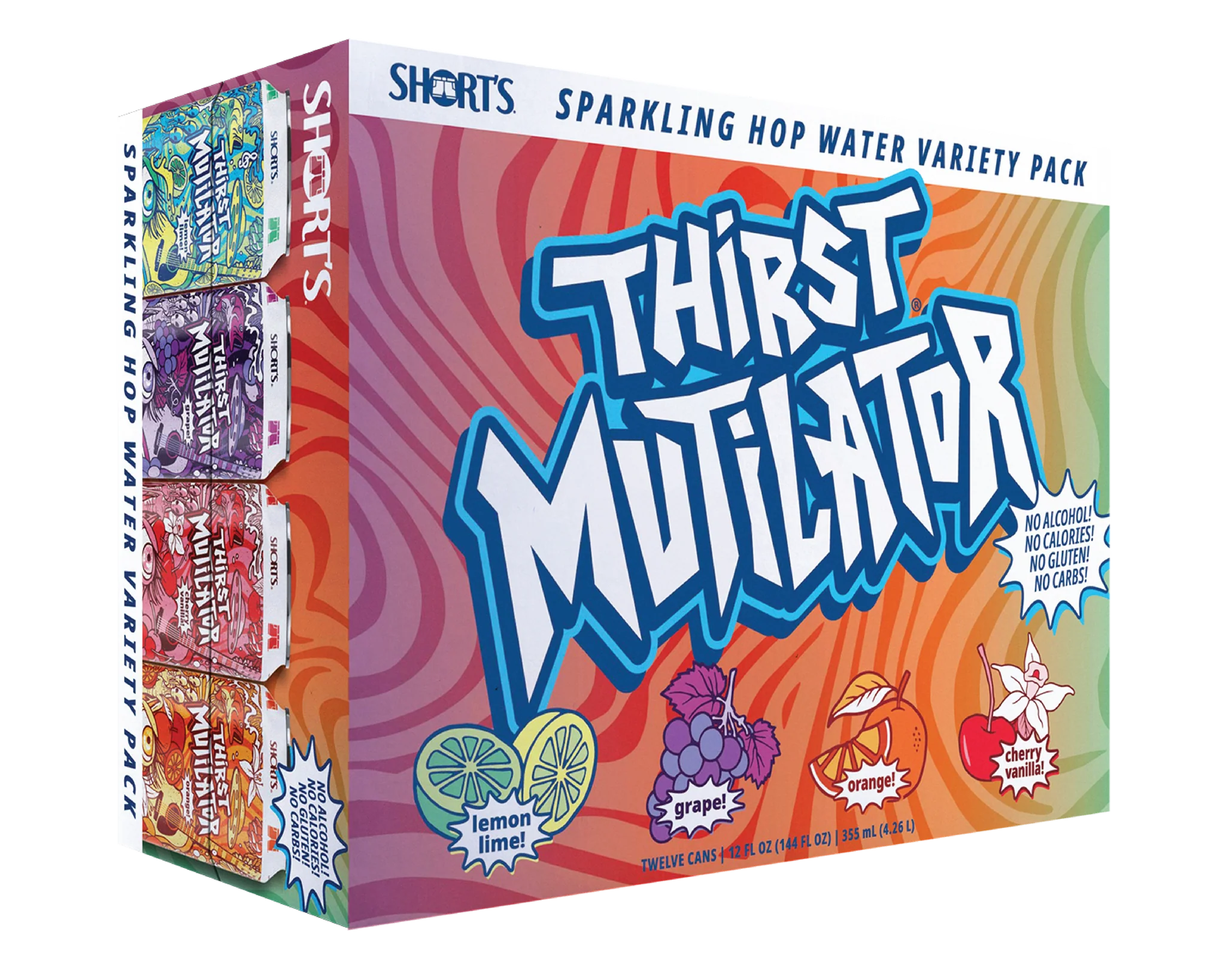
Short’s was among the earliest and remains among the most committed breweries to the growth of Hop Water thanks to Thirst Mutilator. While I’ve been very impressed with your ability to stand out nationally as a top brand, despite not distributing very far, I’ve been less impressed with the size that the overall market has grown to. Anything beyond the great liquid that you can attribute to your ability to continue adding SKUs to the family, with grape last year, and now this exciting variety pack? What inside baseball factors went into the decision to make the Thirst Mutilator variety pack?
The problem with hop waters for most is that they try to taste like an IPA, and I don’t know anyone who actually wants to drink a watery IPA. Not tasty, not refreshing, not really all that fun. In my opinion, people got turned off early so the category has stayed small.
We were fortunate enough to get flavor direction thanks to our partnership with Billy Strings, who told us he wanted something that would satisfy his desire to drink sugary pops from the 80s, and that’s where all our flavor ideation originated, and how we are choosing to use hops to get flavor expressions. From there - well, we’re Shorts, so of course we keep thinking of new flavors that would be tasty and fun, so a variety pack was somewhat of an inevitability.
We’re not distributing everywhere (YET!) so if you’re not in our footprint we sell Thirst Mutilator through our website (shortsbrewing.com).
Kerry Lynch, Sales Director
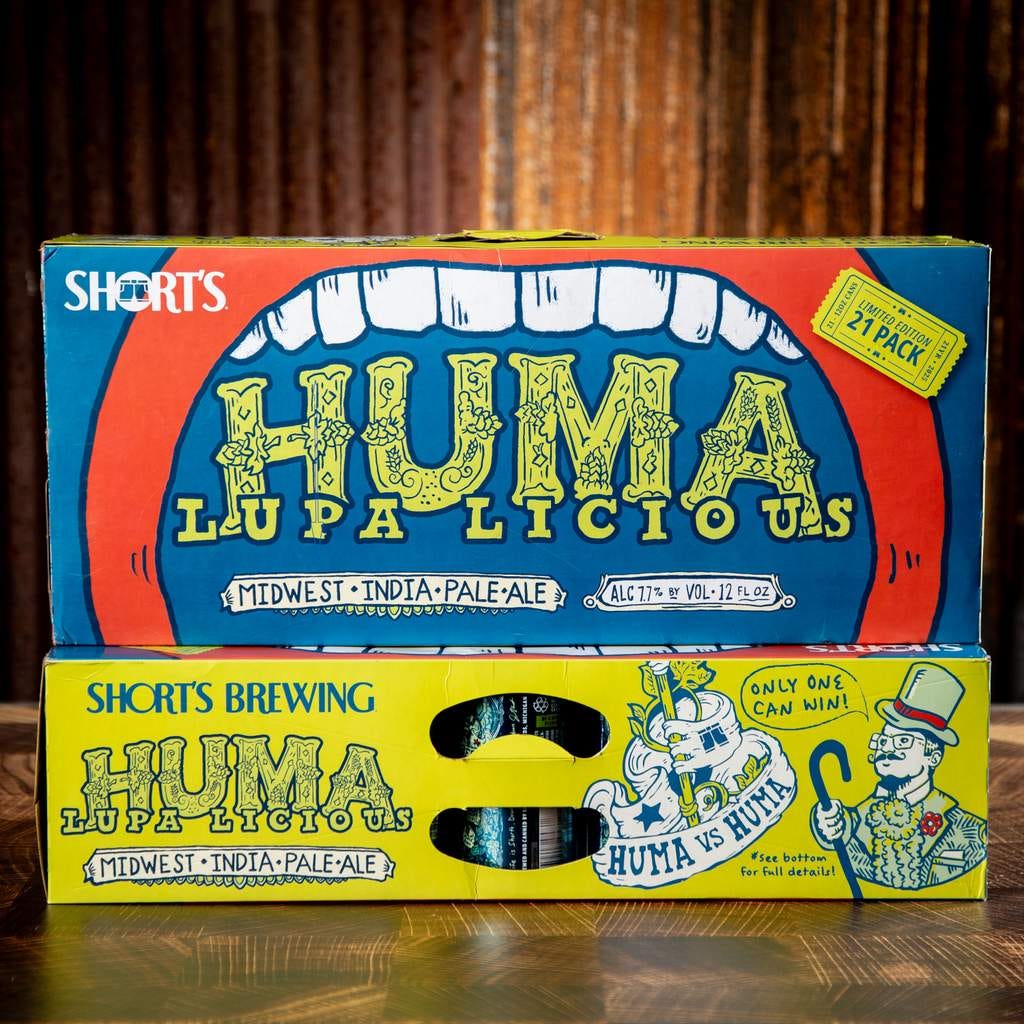
Between the regional IPAs, Local’s and its many variants, and Hop Water, I’ve covered my favorite segments that I associate you all with, but I’m way out here in Chicago. What were some other brands or trends that were important to your 2025 results, or internal excitement, that are getting further focus for 2026?
We can’t forget Huma—the beer that built Short’s Brewing! For our 21st anniversary we decided to rebrand Huma Lupa Licious and released a limited edition 21 pack for $21 bucks and launched a Huma loyalty program. We’re releasing the pack again this year at the end of April before our 22nd birthday!
We got some love at GABF in 2025 for Hot Loins in our favorite category, Experimental beers.
We’ll be putting a lot of energy into Starcut too. The category has tons of potential for growth.
Joe Short, Founder
After you’ve brought a new product or brand to market, how does the Short’s team evaluate performance and decide whether to keep, eliminate, cultivate, double down, etc? Do some brands or concepts get more time to develop, or do you have consistent milestones across all new ideas? Was there a brand or style in 2025 that didn’t perform as well as you’d like, perhaps because of shifting tastes or otherwise, that you wish performed stronger because of a passion at the brewery for it?
All of our releases are a little different but we’re measuring the rate of sale, listening to our accounts and sales team, and getting insights from our Pub and Pulltenders.
Ultimately we release products that we’re excited about. We can bring products to market pretty quickly, and have a process to get us from a beer idea to bench testing to sampling (at our locations and beer festivals) before it’s considered for distribution / release.
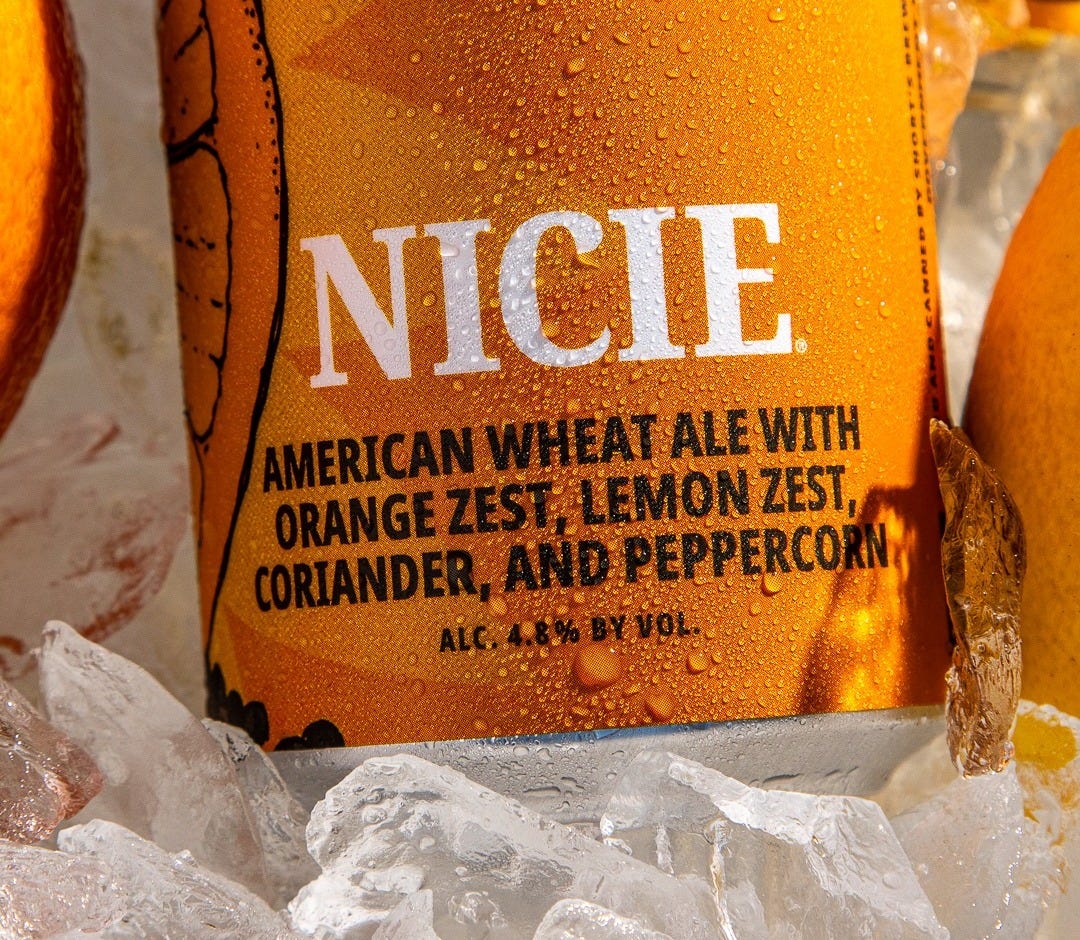
Joe will always want Nicie to perform better—if he hasn’t already told you 10 times, it’s the most refreshing beer in the history of the world.
Scott Newman-Bale
Anything brand new coming down the line in 2026 that you’re able to share that hasn’t been covered yet? Are there any trends that you haven’t necessarily committed to yet, but you have your eye on as a possibility in the future?
We’ve got a massive holiday partnership for a holiday pack etc…sharing details soon…
Scott Newman-Bale
Lastly, what do you feel is most crucial to success in 2026 and accomplishing your goals, given what you learned in 2025?
At this point, it’s harder doing business than it ever has been. We’re pretty weathered and tough, we’ve been rolling with the punches for 22 years. It’s essentially been survival training, and there are for sure more tough times ahead but we’re excited about what the future holds.
We have to remain relentlessly tenacious and play the long game. We’re Michigan’s Largest Independent brewer. Family and community focused. Quality and Value driven. Experience focused. Having fun because life it’s Short’s and you gotta drink it while you’re here!!
Joe Short, Founder
The Long Game
For most breweries heading into 2026, the mandate was to do more with less. Fewer new SKUs, tighter portfolios, more investment around core beers that actually turn. For many, rationalization became as necessity just as much as a strategy. What makes Short’s different though - and why they’re able to operate outside these constraints - is that the breadth of their portfolio doesn’t feel reactive or opportunistic.
Local’s didn’t appear because craft lagers got hot; Thirst Mutilator wasn’t a late pivot into NA; regional IPAs weren’t a desperation heave in a competitive category. These ideas were all cumulative and compounded over two decades of local relevance, operational reps, and trust at home and in their backyard.
During a time where many breweries are forced to retreat to ensure their survival, Short’s stands out by continuing to play offense where they’ve earned their role as a leader in the market. That doesn’t make them immune to the pressures facing craft beer, but its given them the discipline to know where and when they can break the “rules”. In an industry being told to simplify (oftentimes by me!), Short’s is proof that complexity can still work, as long as it’s built slowly, locally, and with conviction.
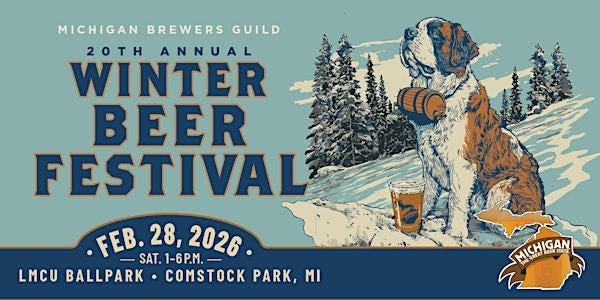
Joe’s band “Braxton Hicks & The Contractions” are playing the Pyramid Scheme in Grand Rapids on Feb 27, 2026. This is the official pre-party for the Michigan Brewer’s Guild Winter Festival.
Score concert tickets: https://pyramidschemebar.com/
Score beer fest tickets: https://www.mibeer.com/Events/winter-beer-festival-1