

Moving Targets: Why Evolving Beer Styles Aren't "Just Marketing"

A follower reached out on Instagram recently and asked for my Mount Rushmore of Chicago pale ales. Despite constantly hearing cries for more pale ale options on social media, we’re pretty spoiled here in Chicago. The majority of the city’s breweries have at least one in their year round portfolio, presenting quite a few options.
The question wasn’t completely out of the blue. I had just posted about my appreciation for two of them on my Stories, leading to the outreach. The first I shared was Pipeworks Brewing’s Lizard King, which launched in 2015 with its Mosaic dry hop, and provided a look into the crystal ball of what would become the modern West Coast style. It was so ahead of its time that it still feels contemporary today.


The second was Marz Brewing’s Jungle Boogie, which is a notable outlier as a pale wheat beer with rooibos tea that also features Mosaic hops. The other two bridge the gap perfectly between the classic English-leaning Pale Ales that kicked off the craft beer boom and what would become the modern era we’re in today. Spiteful Brewing’s Alley Time did it by leaning into Simcoe hops, while Revolution Brewing’s Fist City features a blend of hops, most notably Citra.
Despite falling under the same pale ale terminology, these beers share surprisingly little in common in terms of aroma, flavor, or inspiration. What they do share is timing with all four launching during the exact same stretch of 2013-2015. Looking back, it’s probably no coincidence that this was also the period when my enthusiasm for craft beer - along with countless others - hit its absolute peak.

Moving Targets
After thinking more about the connection between the beers I would call my favorites today and the time period in which I discovered them, I grew to appreciate the idea that beer is not consumed in a vacuum. Beyond the recipe, each beer carries with it the expectations of the consumer and the specific point in time that they first discovered it.
My four favorite Chicago pale ales came at a time when drinkers were the most open-minded to what pale ale was, and more importantly, what it could still become. Over ten years later, though, much of what made those beers feel groundbreaking has become normal.

Each forward-looking example advanced the style, proving its longevity and sticking around through today. But now that the rest of the industry has caught up and evolved even further, the way breweries talk about, position, and market these beers is complicated.
At Revolution Brewing, we always struggled to decide how best to market Fist City. I would always debate whether someone discovering it for the first time now could ever experience it the way I did in 2014. Even if they could, they might love it for different reasons. That presents challenges around how to market it, beginning with the target audience.

By this point, most of today’s consumers have likely tasted dozens of recipes built off the power of Mosaic and Citra hops. They’ve lived through trends like the hazy IPA, pastry stout, smoothie sour, and every variation that’s come since. While they might not think about it in these same words, those experiences become the context through which they judge each new beer they try.
Every brewery fortunate enough to keep a year-round pale ale alive for over a decade has likely been facing a similar dilemma. The recipe remains mostly locked in and unchanged, but the consumer is a moving target. Each new wave of beer fans arrives with a unique resume of the beers they’ve experienced. This makes it difficult for yesterday’s mind-blowing releases to continue providing that groundbreaking feeling.
Why West Coast Pilsner Isn’t “Just Marketing”
For breweries addressing the challenge of introducing legacy pale ales to new drinkers while carrying the weight of their own history, there’s no one straightforward answer. Some adjust the way they tell the story, while others change the language altogether.
That gets us to one of the more divisive arguments in craft beer over the past five years: West Coast Pilsner. Plenty of drinkers immediately dismiss these as an IPL (India Pale Lager) that hired a marketing firm to give it a fresh coat of paint. While there are degrees of truth to that, it’s not exactly seeing the forest for the trees.
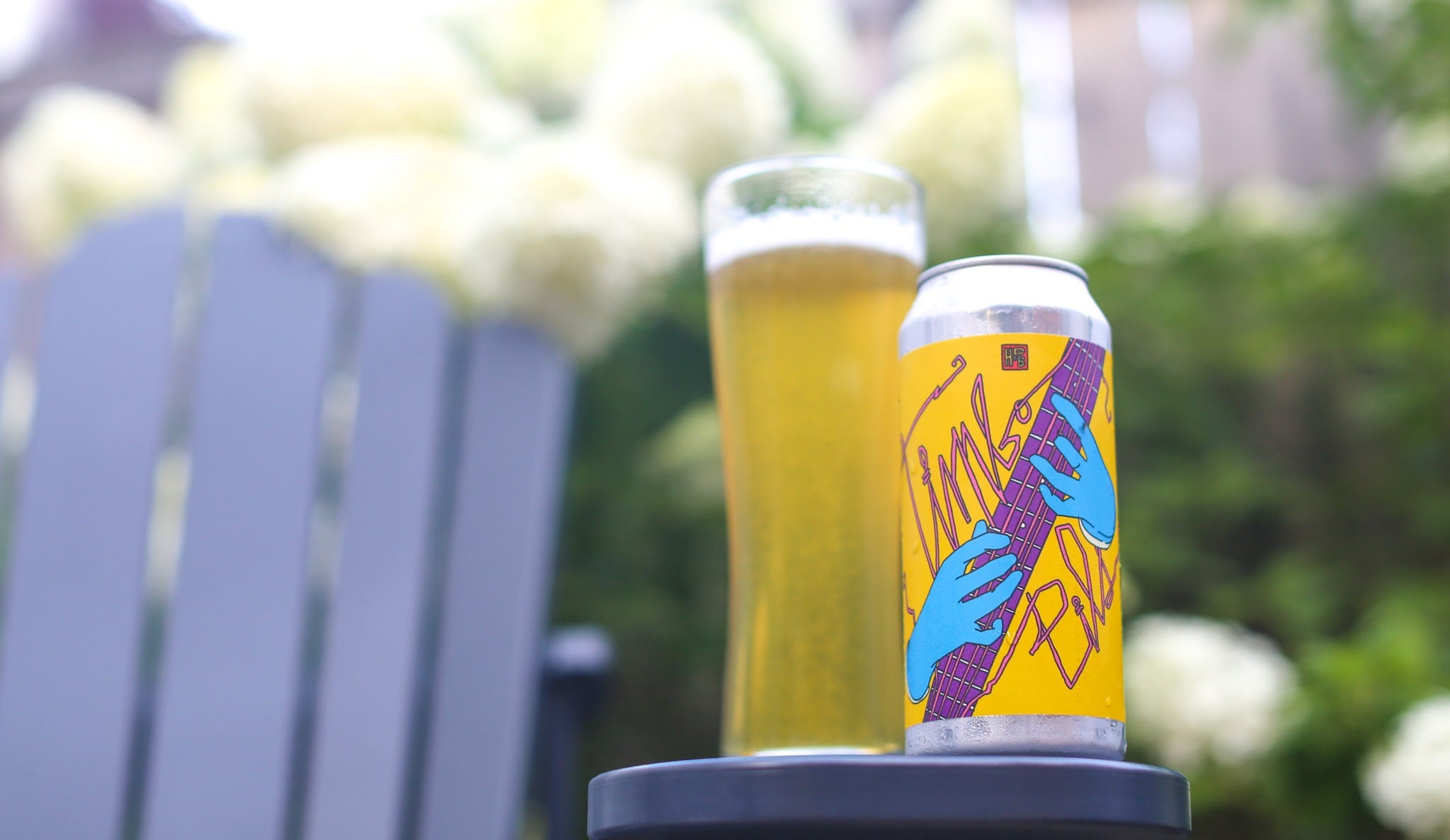
Unlike pale ale, IPL didn’t remain part of the craft beer zeitgeist long enough to build lasting recognition. Its moment in the early 2010s quietly faded from being a must-have on most draft lists to a rare delicacy. You could still find occasional examples on draft, but you had to know where to look, and most drinkers stopped seeing the term entirely.
Coinciding with the near-extinction of the IPL, an entire generation of drinkers entered craft beer without ever developing a reference point to what they should expect from the nascent style. Even if they had, today’s presentations would be unrecognizable in the same way that the Lizard King and Jungle Boogie pale ales bear little resemblance to Sierra Nevada Pale Ale.
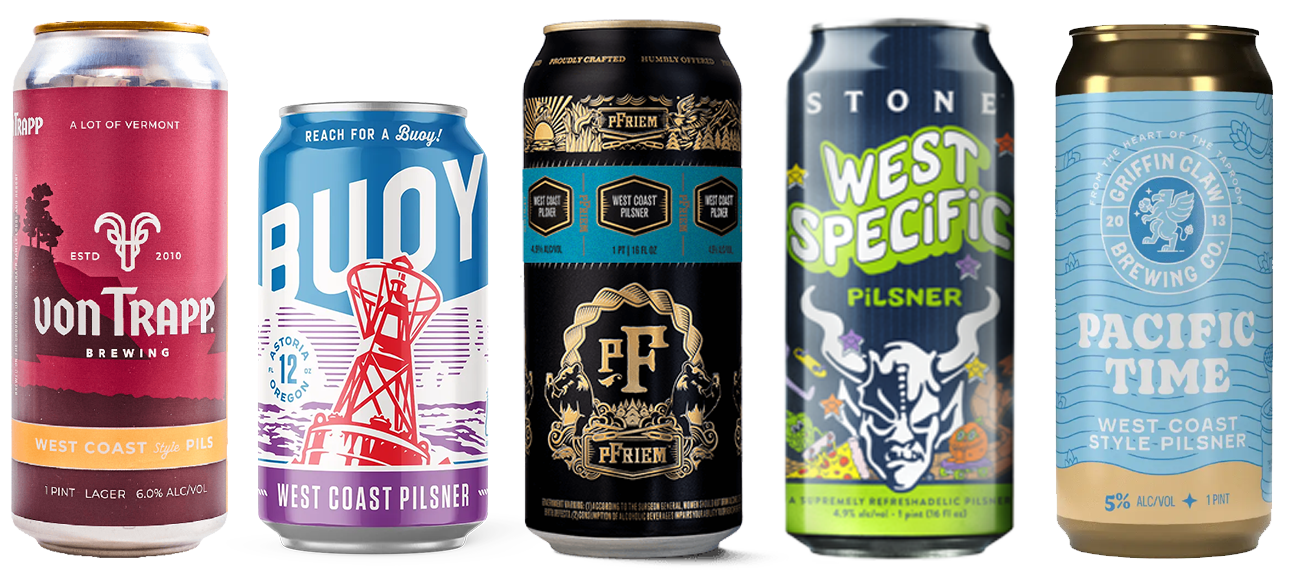
Thinking back to 2013, IPAs were darker, more piney, resinous, and significantly more bitter than a lot of what dominates the shelves today. The original IPLs emerged from that same moment in time, so naturally they aligned in taste. The modern, hoppy lagers of today evolved alongside the IPA itself. They tend to be paler, drier, and built around newer hop varieties that lean into tropical fruit, citrus, and stone fruit.
So whenever someone says, “West Coast Pilsner is just marketing,” my first reaction is, “Well…of course.” Every style name of the last 20 years is marketing. Styles exist to help consumers understand what they are committing to, not to win historical arguments. And with the amount of innovation that took place over the last decade, it should not be surprising that styles would evolve and require more nuance.
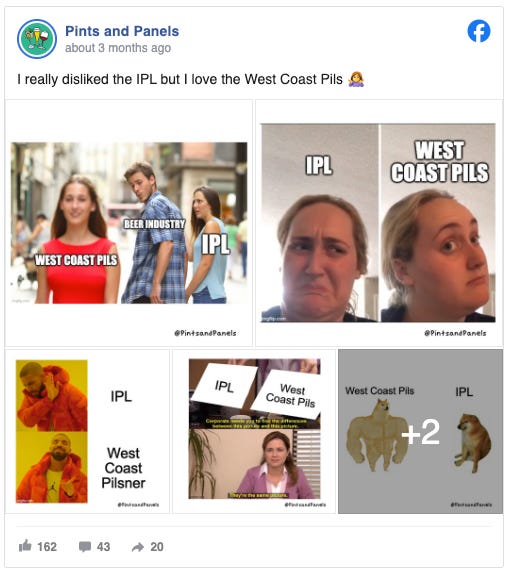
If you were to call one of these modern recipes an IPL, you’re assuming that today’s drinker already knows what that means. I’m not convinced that’s true any longer. On the other hand, “West Coast Pilsner” immediately gives people a framework that enables them to venture a logical guess about what it tastes like.
“West Coast”, despite its faults, carries a set of expectations that modern consumers already understand including crisp bitterness, expressive American hops, pale malt, and a dry finish. Combined with the session-ability and occasion of “Pilsner”, the name helps the consumer grasp the concept more easily than resurrecting a style that many new beer enthusiasts never experienced.
The Next Generation
The need for an evolution in beer styles reminds me of generations. We’re all familiar with the lines between Gen X, Millennials, and Gen Z, which are more blurry than fixed. People like yours truly who were born near the edges share traits with two generations.
The label is still helpful because it describes groups that were shaped by a similar point in time and the innovation happening around them. Beer styles work in a lot of the same ways. Their usefulness doesn’t come from being perfectly black and white, but in helping us understand all the shades of gray.
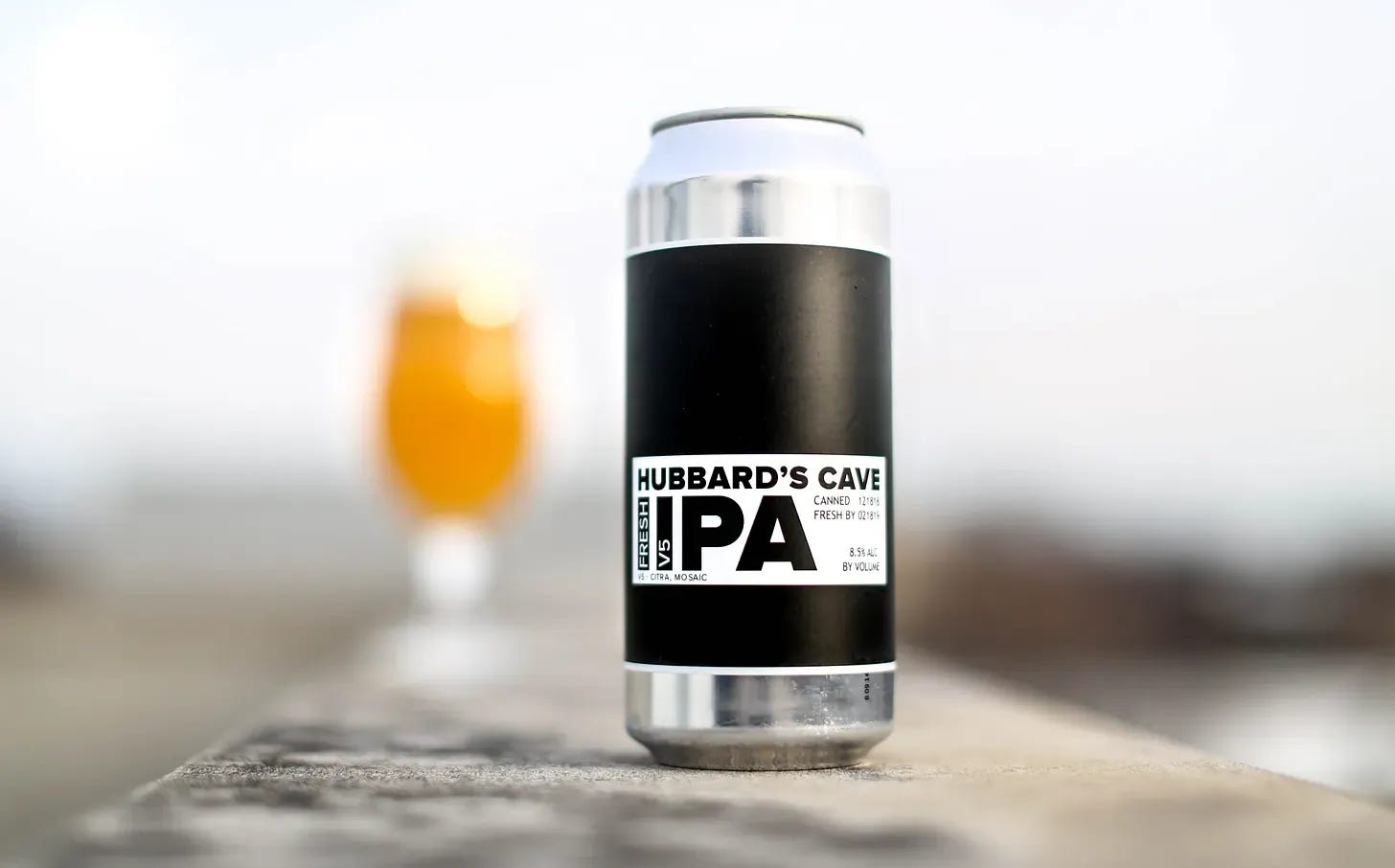
Pale Ale and IPA never went away. They just evolved alongside the consumers they were attracting. The three letters “IPA” continue to have the most equity in craft beer, so it’s no surprise that breweries fell over themselves to incorporate them into styles that got progressively farther away from the original consensus on the style.
Rather than abandoning “IPA”, the industry started adding descriptors in an attempt to convey their intentions: Hazy IPA, Milkshake IPA, Brut IPA, Cold IPA. The family name stayed intact because consumers never lost interest in exploring how far it could be stretched.


IPL didn’t have that luxury because it effectively disappeared from the conversation for years, breaking the chain between the style and the consumer. By the time consumers began to hoppy lagers again, so much had changed between IPAs and the audience consuming them. Reviving the IPL name would have required consumers to remember a style many never experienced to begin with.
As a result, I don’t think about West Coast Pilsner as a rejection of IPL so much as the next generation of it. Similar to how Millennials didn’t replace Gen X, and Gen Z didn’t replace Millennials, West Coast Pilsners didn’t erase IPL. They represent a new era shaped by materially different ingredients, progressive brewing philosophies, and the next wave of beer drinkers.
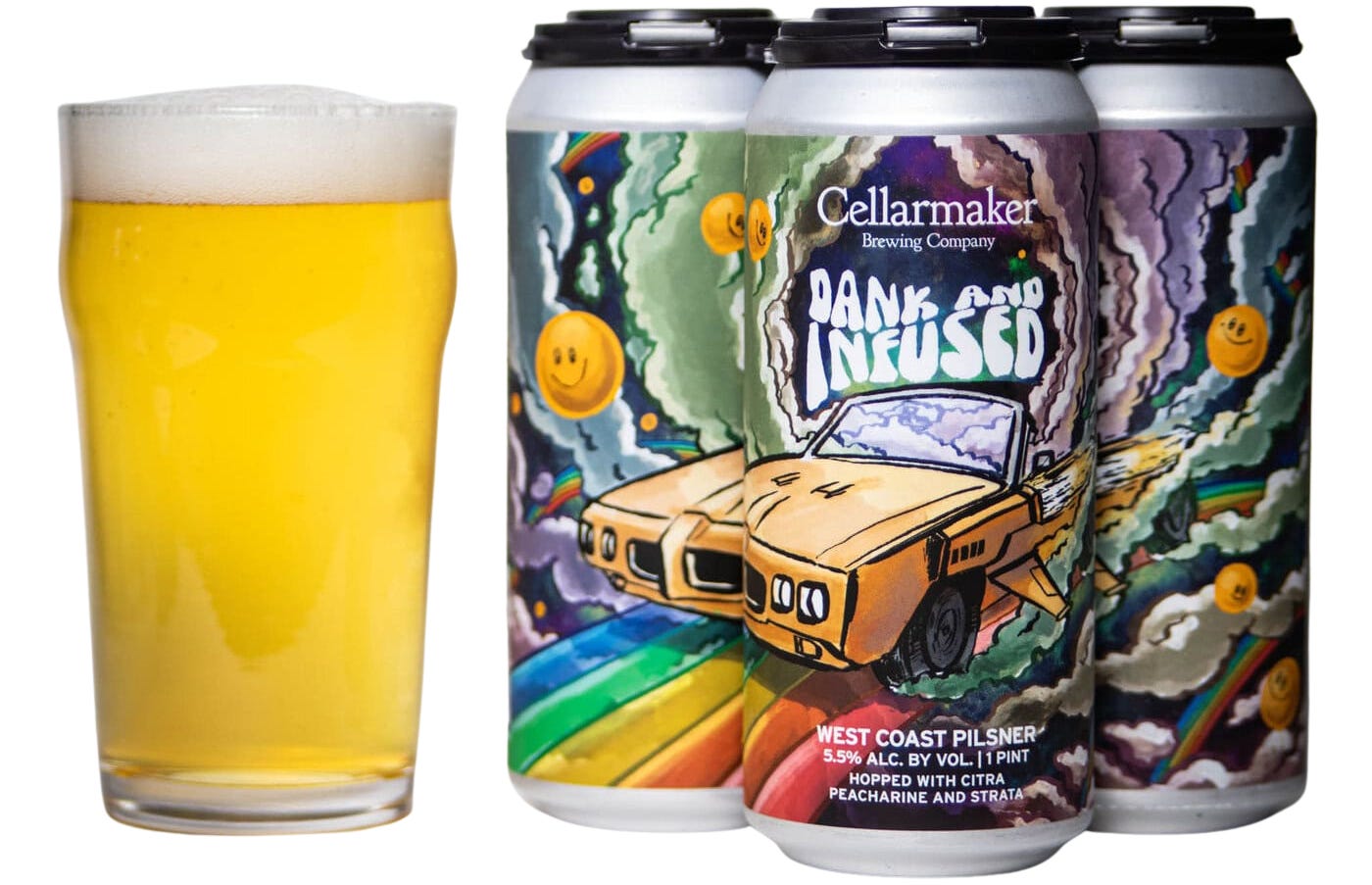
When expectations change enough, the language has to evolve too. But new style names don’t have time to wait around to be recognized by the Beer Judge Certification Program for competition. They’re designed to help win in the most heated battle of them all: the shelf.
Trade-offs
To be clear, none of this is easy. Every time a brewery switches up the language around a beer, it risks confusing one group of consumers while making it easier for another. Staying true to IPL means newer drinkers may not know what to expect. Moving in the direction of a West Coast Pilsner means that OG fans may dismiss it as marketing.
That’s the reality of selling a mature category, where language rarely resonates equally with everyone and the novelty of discovery has worn off for many. Deciding which consumer you’re trying to reach means accepting that every message carries trade-offs.


That brings me back to those four Chicago pale ales. They’re still excellent beers and the ones I’m most likely to find in my refrigerator on a given day. But part of what made them unforgettable is when we encountered them. Breweries can’t recreate that moment for a new generation of drinkers. What they can do is make sure the language they use still helps today’s consumers understand why a beer is worthy of their attention. In the end, that’s what style names have always been for.